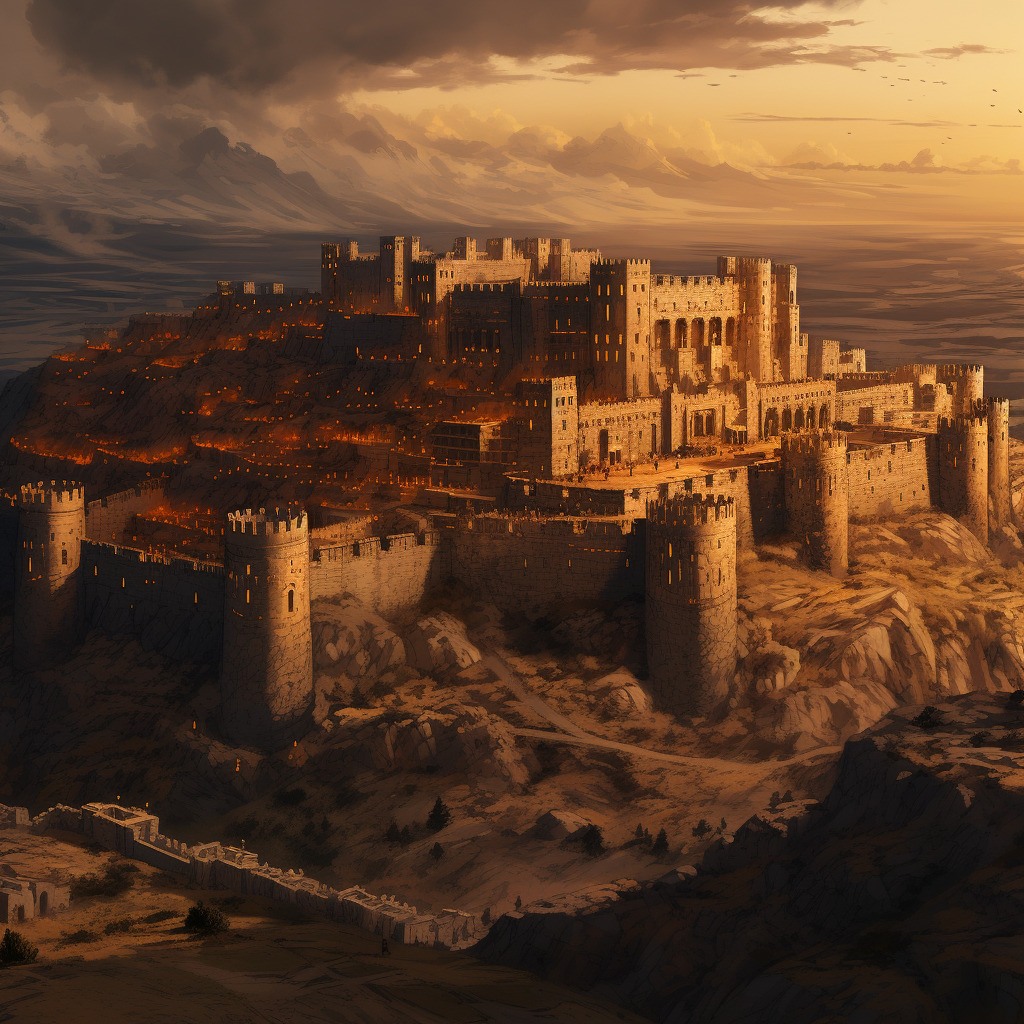
Jerusalem, called the “great city” and the capital of the kingdom of Judah, is the place from which the record opens. Lehi had dwelt there all his days when, in the first year of the reign of Zedekiah king of Judah (about 600 BC), many prophets came warning the people that they must repent or the city would be destroyed. Lehi was among them, and he was commanded by God to take his family and flee (1 Nephi 1:4).
Lehi’s departure became the record’s timeline marker: six hundred years from the time he left Jerusalem, the Lord would raise up a Messiah, a Savior of the world, among the Jews (1 Nephi 10:4). In vision, Nephi saw the great city of Jerusalem and other cities, including Nazareth, where he beheld the virgin who would be the mother of the Son of God (1 Nephi 11:13). Nephi wrote of his own anguish of spirit for those who remained at Jerusalem, whom the Lord had shown him would otherwise have perished (1 Nephi 19:20).
Lehi told his sons he had seen a vision in which he knew Jerusalem was destroyed, and that had they stayed they too would have died (2 Nephi 1:4). Nephi recorded the prophecy that those at Jerusalem would crucify the God of Israel and be scourged by all people for it (1 Nephi 19:13), and that though the people were carried away, they would return and again possess the land of Jerusalem, their land of inheritance (2 Nephi 25:11).
The record also preserves an eschatological distinction about Jerusalem’s ultimate fate. Moroni, abridging the vision of Ether, records that the Jerusalem from which Lehi came would, after its destruction, be built up again as a holy city of the Lord — yet it could not be the New Jerusalem, for it was already ancient; a separate New Jerusalem would be built on the American continent for the remnant of the seed of Joseph (Ether 13:5–6).